Strategy • Nov 30, 2025 • 7 min read
Designing interior spaces that age gracefully
Timelessness is not a style. It is a set of decisions about proportion, light and restraint that keep a room feeling considered long after the trend has moved on.
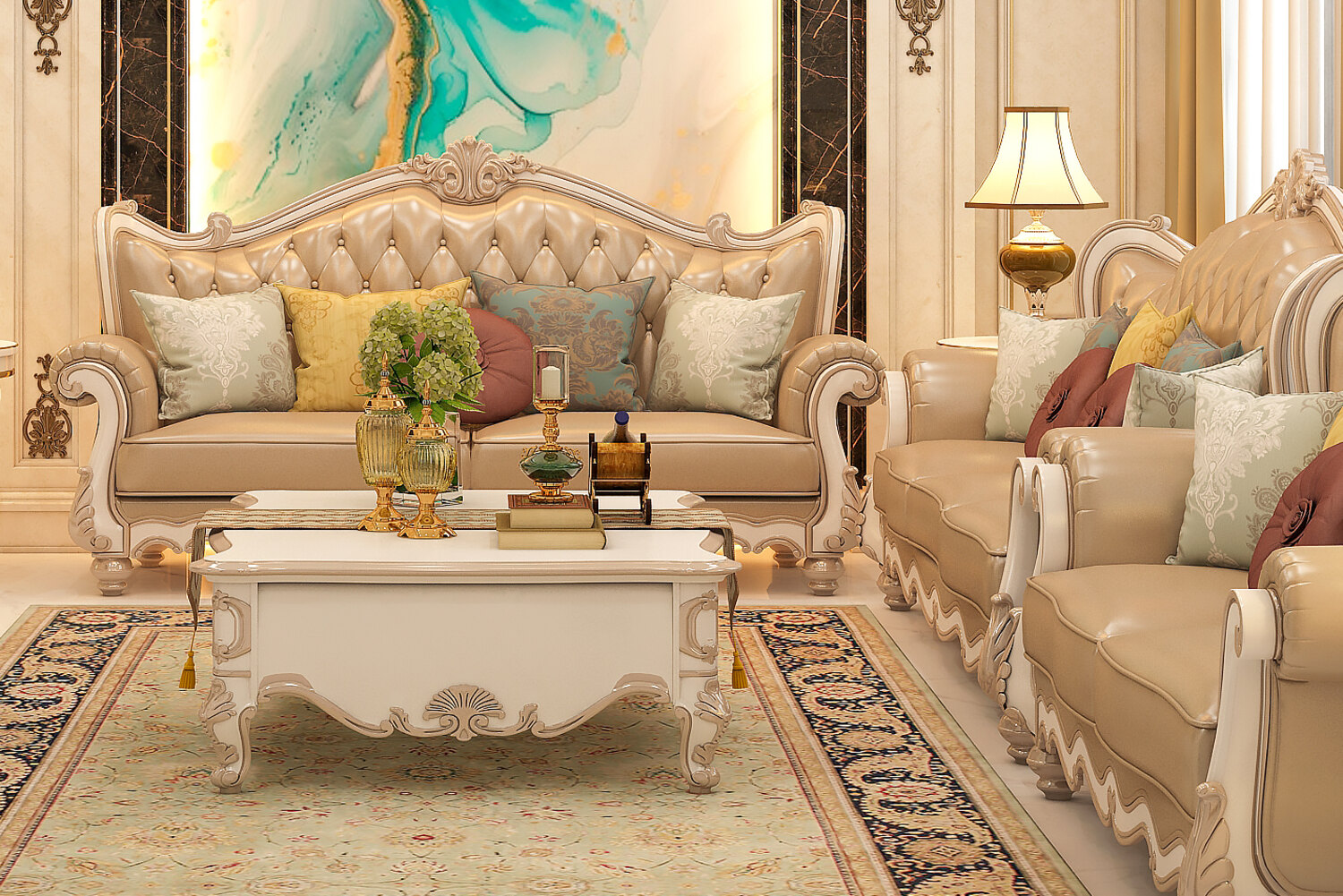
Clients often ask for something timeless and mean something specific: a room they will not be embarrassed by in ten years. That is an achievable brief, but it is won in the plan and the light rather than in the finishes.
Proportion outlives palette
Ceiling height, door width, the rhythm of openings along a wall - these are the parts of a room nobody redecorates. Getting them right buys forgiveness for everything layered on top, which is why we spend disproportionate time on the plan before a single colour is discussed.
Design for two light conditions
A space that only works in daylight is half-finished. We test every scheme under a warm evening layer as well: lower, softer, and pooled rather than flat. Rooms that hold up at night tend to be the ones people still enjoy years later.
Restraint is not minimalism. It is knowing which single element in the room is allowed to be loud.
Leave room to change
We keep one surface in each space deliberately easy to alter - a paint colour, a textile, an art wall. It gives the client a way to refresh the room without touching the parts that were expensive to get right.
The test we use
Before sign-off we ask a simple question of every decision: if this element were removed, would the room be worse? Anything that survives that question tends to survive the decade as well.
// More
More insights
Design Tips • Jun 9, 2025
Design Tips • Feb 11, 2025
Newsletter
© 2025 GREEN ARC™. All rights reserved.
Rebuilt in Elementor