Design Tips • Jun 9, 2025 • 6 min read
Material choices that define interior longevity
The materials you specify decide how a room looks on handover day and how it looks eight years later. Here is how we weigh that trade-off.
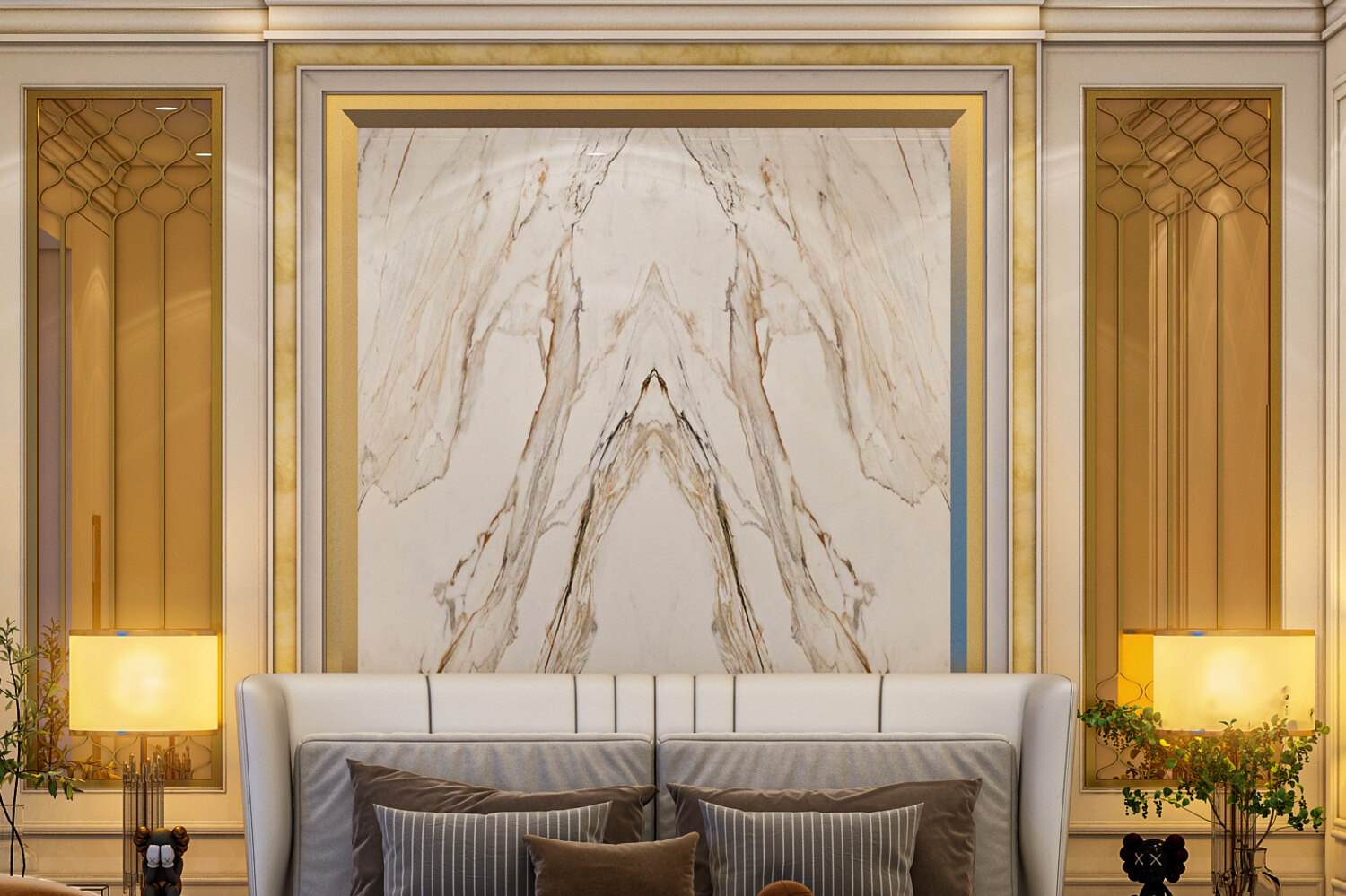
Every specification is a bet on time. A finish that photographs beautifully in month one can look tired by month thirty, while a quieter material often improves with wear. Longevity is rarely about cost - it is about matching the material to the way the room is actually used.
Start with the traffic, not the mood board
Before any palette is agreed we map how the space is used across a week: where shoes land, where sunlight falls at four in the afternoon, which surfaces get wiped daily. That map decides which materials can afford to be delicate and which have to be forgiving.
A material earns its place when it looks better after a year of use, not worse.
Three finishes that age well
Solid timber with an oiled finish can be spot-repaired instead of replaced. Honed stone hides etching that would be obvious on a polished slab. Through-body porcelain keeps its colour when the surface finally chips, so a knock reads as wear rather than damage.
And three that rarely do
High-gloss lacquer on a heavily used joinery run, thin veneers over MDF at door edges, and matte painted surfaces in circulation zones all age badly - not because they are poor materials, but because they are placed where the building works hardest.
Plan the repair before the install
We keep an attic stock of every floor tile, timber batch and paint code from day one. Knowing a material can be repaired in five years is what makes it a long-term choice rather than a hopeful one.
// More
More insights
Strategy • Nov 30, 2025
Design Tips • Feb 11, 2025
Newsletter
© 2025 GREEN ARC™. All rights reserved.
Rebuilt in Elementor